1. Introduction to Money Management
Managing money is not only about earning more—it’s about knowing where your money goes. Many people struggle financially, not because they earn less, but because they lack awareness of their daily spending habits.
Have you ever asked yourself, “Where did all my money go?” at the end of the month? You are not alone. According to financial studies, most individuals fail to save because they don’t track their expenses consistently.
Learning how to track your expenses is the first step toward financial control. It helps you make informed decisions, reduce unnecessary spending, and save money for your goals.
Fact: Tracking expenses helps people increase savings by 20–30% when done consistently (Investopedia).

2. Why Tracking Expenses Matters
Tracking expenses provides clarity and control over your finances. Without knowing your spending patterns, budgeting becomes ineffective.
Key Benefits:
- Identifies unnecessary spending
- Improves budgeting accuracy
- Increases savings potential
- Builds financial discipline
- Supports long-term financial planning
Example:
A family spends $500/month on small purchases (coffee, snacks, subscriptions). After 3 months of tracking, they found $200/month in unnecessary expenses, which they redirected to savings.
Expense tracking is not about restriction but awareness.
According to Investopedia, expense tracking is essential for creating a realistic budget and achieving financial goals.
Reference: https://www.investopedia.com
3. Understanding Spending Behavior & Psychology
Expense tracking isn’t just about numbers—it’s about behavior. Awareness of spending habits helps avoid hidden financial leaks.
Common Psychological Patterns:
- Impulse Buying: Emotional purchases without planning
- Lifestyle Inflation: Spending grows as income increases
- Mental Accounting: Treating money differently based on source
- Subscription Overload: Paying for services not used
- Peer Pressure Spending: Buying items to match social circles
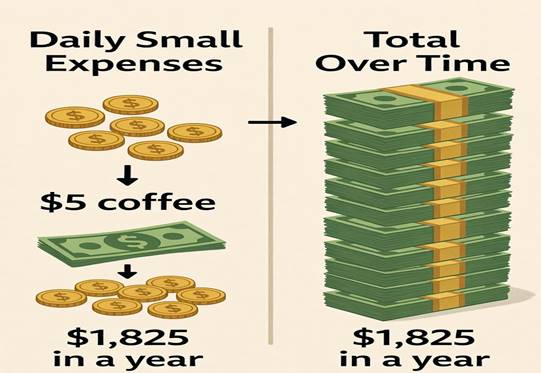
Research from behavioral economics (Harvard Business Review) shows small daily expenses add up over time, disrupting financial stability (Harvard Business Review).
Tracking helps make the invisible visible, revealing patterns that otherwise go unnoticed.
4. Methods to Track Expenses
Different methods suit different lifestyles. The key is consistency.
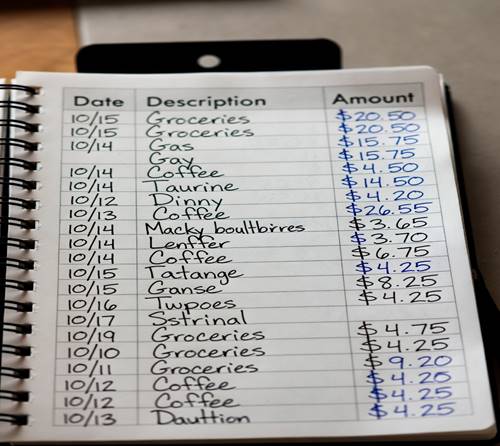
4.1 Manual Tracking (Notebook Method)
Write down every expense in a notebook.
Pros:
- Simple and low-cost
- Builds discipline
- Fully customizable
Cons:
- Time-consuming
- Easy to forget entries
- Less efficient for large transactions
Example Daily Log:
| Date | Item | Category | Amount | Notes |
|---|---|---|---|---|
| 01-Apr-26 | Coffee | Food | $3 | Morning cup |
| 01-Apr-26 | Uber Ride | Transport | $8 | To office |
| 01-Apr-26 | Netflix | Entertainment | $12 | Subscription |
4.2 Spreadsheets (Excel/Google Sheets)
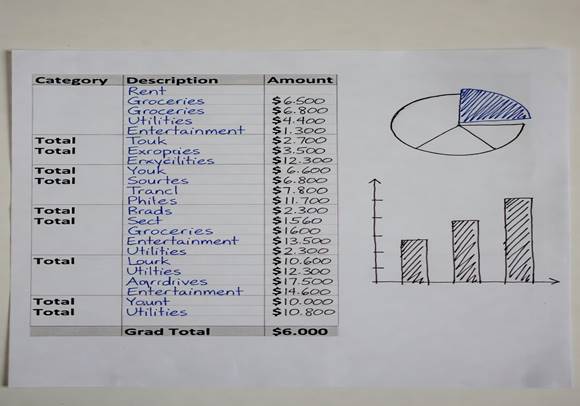
Spreadsheets are ideal for people who want control with automation.
Pros:
- Customizable categories
- Automated calculations and charts
- Free templates available
Cons:
- Requires basic Excel or Google Sheets knowledge
- Manual input still needed
Tip: Use SUM formulas, conditional formatting, and charts for monthly insights.
Popular Categories: Food, Transport, Bills, Entertainment, Health, Savings
4.3 Expense Tracker Apps
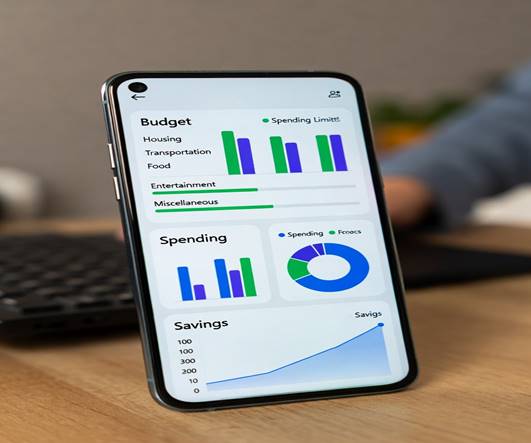
Apps make tracking fast and automated. Perfect for busy lifestyles.
Popular Apps:
- Mint
- YNAB (You Need A Budget)
- PocketGuard
- Goodbudget
- Spendee
- Money Lover
Pros:
- Real-time transaction sync
- Notifications for overspending
- Categorization of expenses
Cons:
- Some apps are paid
- Privacy concerns for bank-linked apps
Tip: Only link trusted apps to your accounts.
Reference: NerdWallet Best Budgeting Apps
5. How to Create a Budget That Works
Budgeting + expense tracking = financial control.
Popular Budgeting Methods:
50/30/20 Rule
- 50% Needs
- 30% Wants
- 20% Savings
Example: $2000 monthly income → $1000 needs, $600 wants, $400 savings
Zero-Based Budgeting
Every dollar is assigned a purpose. Income minus expenses = $0.
Envelope System
Cash or app-based categories for different expenses.
Steps to Create a Budget:
- Calculate monthly income
- List all expenses
- Categorize spending
- Set limits per category
- Track and adjust monthly
Tip: Combine budgeting with expense tracking for maximum efficiency.
6. Comparison of Expense Tracking Methods
| Method | Ease of Use | Accuracy | Automation | Best For |
|---|---|---|---|---|
| Manual Tracking | Easy | Medium | No | Beginners |
| Spreadsheets | Medium | High | Partial | Intermediate Users |
| Mobile Apps | Very Easy | High | Yes | Busy Individuals |
Example Scenario:
A student may prefer manual tracking, while a working professional may prefer apps for automation.
7. Daily, Weekly & Monthly Expense Tracking System
Consistency ensures accurate tracking.
Daily Routine:
- Record every expense
- Categorize spending
- Review daily balance
Weekly Routine:
- Compare weekly spending with the budget
- Identify overspending
- Adjust next week’s plan
Monthly Review:
- Analyze trends with charts
- Identify savings opportunities
- Set new financial goals
Example Template:
| Category | Daily | Weekly | Monthly | Notes |
|---|---|---|---|---|
| Food | $15 | $100 | $400 | Reduce coffee |
| Transport | $10 | $70 | $280 | Carpooling |
| Entertainment | $8 | $50 | $200 | Cancel unused subscriptions |
8. Practical Daily & Weekly Tracking System
Consistency is the key to success.
Daily Routine:
- Record every expense immediately
- Categorize spending (food, transport, bills)
- Check the balance at the end of the day
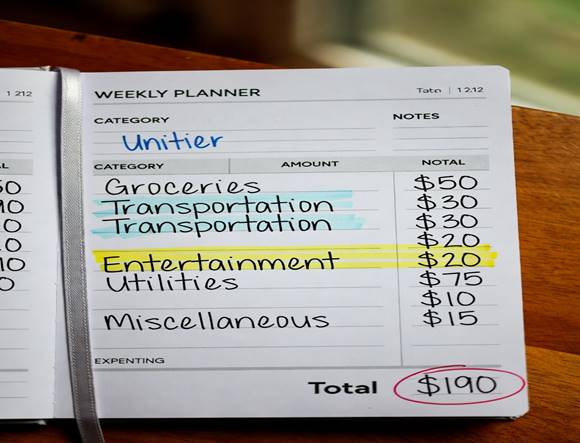
Weekly Routine:
- Review total expenses
- Compare with the budget
- Identify overspending areas
- Adjust the upcoming week’s spending
Monthly Review:
- Analyze trends
- Identify savings opportunities
- Set new financial goals
9. Common Mistakes to Avoid
- Ignoring small expenses
- Not updating daily
- Unrealistic budgets
- Mixing personal and business finances
- Failing to review reports
Pro Tip: Track everything, no matter how small, to avoid hidden leaks.
10. Real-Life Example of Financial Improvement
Scenario: A student earning $500/month had no idea where the money went.
After 3 months of tracking:
- Identified unnecessary purchases (snacks, rides, subscriptions)
- Reduced spending by 25%
- Saved $125/month
Tracking expenses improves financial control without needing to earn more.
11. Actionable Steps to Start Today
- Choose a method (app, spreadsheet, notebook)
- Track every expense for 7 days
- Categorize spending
- Identify patterns
- Create a basic budget
- Review weekly and adjust
Tip: Small, consistent actions compound over time.
External Links:
12. FAQs (People Also Ask)
Q1: Why is tracking expenses important?
A1: Helps control spending, improve budgeting, and increase savings.
Q2: How do I start?
A2: Record every expense using a notebook, spreadsheet, or app. Categorize and review regularly.
Q3: Which method is best?
A3: Apps for automation, spreadsheets for control, and manual tracking for beginners.
Q4: How often should I track?
A4: Daily, with weekly and monthly reviews.
Q5: Can tracking help me save money?
A5: Yes. It identifies unnecessary spending, freeing money for savings or investments.
13. Conclusion: Take Control and Track Your Expenses
Learning how to track your expenses effectively is one of the most powerful financial habits you can develop. It’s not just about recording numbers—it’s about gaining clarity, control, and confidence over your money. When you actively monitor your spending, you stop relying on guesswork and start making informed financial decisions. This awareness is the foundation of smart budgeting, consistent saving, and long-term financial growth.
By tracking your expenses, you can identify where your money is going and spot patterns that might otherwise go unnoticed. For example, small daily purchases like coffee, subscriptions, or snacks can add up to a significant amount over a month. Many people underestimate these “hidden expenses,” which can quietly erode their financial stability. By keeping a close eye on every transaction, you bring these invisible expenses into the light, giving yourself the power to control them.
Another important aspect of tracking your expenses is that it teaches discipline. When you consistently record your spending—whether in a notebook, spreadsheet, or app—you begin to form a habit that naturally reduces impulsive or unnecessary purchases. Over time, this habit doesn’t just save money; it changes your mindset. You start thinking carefully before making financial decisions, prioritizing essential spending, and planning for future goals.
Moreover, tracking your expenses allows you to measure your progress toward financial goals. If your aim is to save for a major purchase, pay off debt, or invest for the future, knowing exactly where your money goes every month is essential. You can compare your actual spending against your budget, identify overspending areas, and adjust accordingly. This level of control ensures that your financial plan is realistic, achievable, and tailored to your lifestyle.
Consistency is key. Even if you start small—tracking just a few days or a single category of spending—you’re building a habit that compounds over time. The act of reviewing your expenses weekly or monthly helps you understand trends, refine your budget, and make smarter choices. Whether it’s reallocating money to savings, cutting down on unnecessary subscriptions, or planning for big expenses, tracking your finances gives you a roadmap to follow.
Finally, remember that financial success is not achieved overnight. It’s a gradual process built on regular, consistent habits. The more diligently you track your expenses, the more control and freedom you gain. You’ll notice improvements in your saving habits, budgeting accuracy, and overall financial confidence.
So, take action today. Start by tracking your first expense—whether it’s your morning coffee, grocery purchase, or utility bill. Use the method that suits you best, whether it’s a mobile app, spreadsheet, or notebook. Over time, this simple practice will transform your financial life, giving you the tools to make smart decisions, save effectively, and achieve your financial goals.
Remember: every great financial journey begins with a single step—tracking your expenses. The habits you build now will pay dividends for years to come. Commit to tracking, stay consistent, and watch as your financial clarity, confidence, and control grow every month.